About Hoi An
Hoi An at a Glance
Hoi An is a historic town in central Vietnam, best known for its well-preserved Ancient Town, traditional architecture, lantern-lit streets and riverside atmosphere. Its compact centre makes it easy to explore many major sights on foot, while beaches, villages and local experiences are located a short distance away.
Unlike larger Vietnamese cities, Hoi An has a slower and more relaxed feel, making it possible to combine sightseeing with food, shopping and time by the river or beach.
The Character of Hoi An
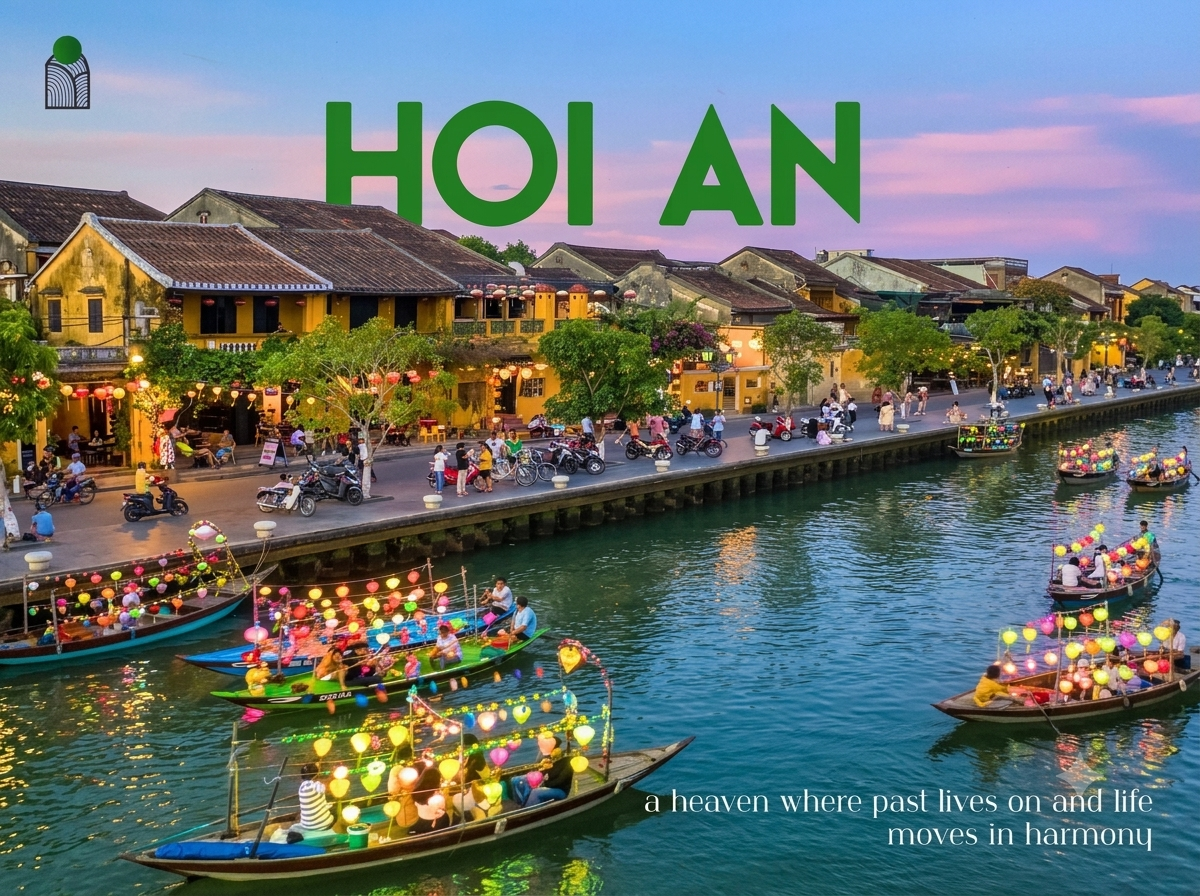
Hoi An’s identity is closely connected to its historic streets, old merchant houses, temples, assembly halls and traditional crafts. The Ancient Town becomes particularly atmospheric in the evening when the streets and riverside are illuminated by lanterns.
Outside the historic centre, the town becomes quieter, with vegetable farms, craft villages, coconut waterways and beaches providing a different side of Hoi An.
Who Is Hoi An Suitable For?
Hoi An works well for families, couples, solo travellers and older visitors who prefer a combination of culture, food and relaxed sightseeing.
Children can enjoy the colourful streets, markets, lanterns and riverside activities, while older travellers can explore many central attractions at a comfortable pace. Certain countryside excursions and outdoor experiences require walking on uneven paths or travelling by boat, so visitors can choose activities that best suit their physical abilities and preferences.
What This Hoi An Guide Covers
This guide focuses on the main places and experiences that can realistically be covered during a three-day Hoi An trip. It covers the historic centre, cultural attractions, traditional villages, beaches, local experiences, estimated costs and practical travel tips.
The itinerary is designed to balance sightseeing with enough free time to enjoy Hoi An rather than rushing from one attraction to another.
When to Visit Hoi An
Hoi An Through the Seasons
Hoi An has a tropical climate with a relatively dry period and a wetter period. Weather can affect beach visits, cycling, walking through the Ancient Town and outdoor activities in the surrounding villages.
The drier months are generally more comfortable for exploring on foot and spending time outdoors, while the rainy period can bring heavier showers and occasional flooding in low-lying areas.
When Hoi An Is Most Comfortable to Explore
For a first visit, the months with drier and more comfortable weather are generally easier for combining the Ancient Town, beaches and countryside attractions.
Evenings are particularly enjoyable in the historic centre, when the streets become more atmospheric and the riverside comes alive with lanterns, restaurants and local activity.
If you want to experience Hoi An’s famous lantern atmosphere, checking the dates of the monthly lantern festival before booking can be worthwhile.
Rain, Heat & Beach Conditions
Hoi An can be hot and humid, particularly during the warmer months. Plan longer walking routes for the morning or later afternoon when possible, and carry water and sun protection.
During periods of heavy rain, beach activities and village visits may become less convenient. Keep some flexibility in your itinerary so you can move indoor attractions, food experiences or Ancient Town sightseeing to wetter periods.
For a three-day trip, checking the forecast before assigning your beach, village and outdoor activities can make the schedule much more comfortable.
Things to Do in Hoi An
Hoi An offers a mix of historic streets, traditional architecture, craft villages, beaches and local experiences. Because many attractions are close together, you can explore the main highlights without spending most of the day travelling.
Ancient Town & Heritage
1. Hoi An Ancient Town

What to See:
The Ancient Town is the heart of Hoi An, with historic buildings, narrow streets, old merchant houses, temples, shops and lantern-filled evenings.
Why Visit:
It is the main place to experience Hoi An’s historic character and traditional architecture.
Who Is It Suitable For?
Hoi An Ancient Town offers an enjoyable experience for people travelling with family, visiting as a couple, exploring alone or travelling in their later years. Walking is the main way to explore, although some streets and surfaces may be less comfortable for people with limited mobility.
My Take:
I would spend several hours exploring without following a strict route. The atmosphere is as important as the individual buildings.
2. Japanese Covered Bridge

What to See:
This historic covered bridge is one of Hoi An’s most recognisable landmarks and an important part of the Ancient Town.
Why Visit:
Its distinctive architecture and location make it an easy stop while walking through the old town.
Who Is It Suitable For?
Suitable for almost all travellers, including families and older visitors, because it requires very little time or physical effort.
My Take:
Treat it as part of your Ancient Town walking route rather than planning a separate visit.
3. Tan Ky Old House

What to See:
Tan Ky Old House is a historic merchant house showcasing traditional architecture and the influence of different cultures that shaped Hoi An’s trading history.
Why Visit:
It provides a closer look at how merchants lived and worked in historic Hoi An.
Who Is It Suitable For?
Good for history and architecture enthusiasts, couples and families with older children. Visitors with mobility limitations should check the layout before entering.
My Take:
It is worth including if you want more than just street-level sightseeing in the Ancient Town.
4. Fujian Assembly Hall

What to See:
The Fujian Assembly Hall features traditional architectural details, decorative elements and religious spaces connected with the Fujian Chinese community.
Why Visit:
It adds cultural and architectural depth to an Ancient Town visit.
Who Is It Suitable For?
Suitable for families, couples, solo travellers and older visitors interested in culture and architecture.
My Take:
Combine it with Tan Ky Old House and the Japanese Covered Bridge during the same walking session.
5. Hoi An Museum of Folk Culture

What to See:
The museum presents aspects of local traditions, crafts, performing arts and everyday cultural life.
Why Visit:
It helps put the architecture and traditions you see around Hoi An into a wider cultural context.
Who Is It Suitable For?
A good option for culture-focused travellers and families with older children.
My Take:
This is also a useful indoor stop when you want a break from the heat.
Traditional Villages & Local Experiences
6. Tra Que Vegetable Village

What to See:
Tra Que is a traditional agricultural area known for vegetable cultivation and farming activities.
Why Visit:
It offers a quieter view of Hoi An’s countryside and local agricultural traditions.
Who Is It Suitable For?
Suitable for families, couples and travellers interested in food, farming and local culture. Children can enjoy the hands-on nature of some activities.
My Take:
An early visit is a good choice, as temperatures are often milder and outdoor activities can be more enjoyable.
7. Cam Thanh Coconut Forest

What to See:
Cam Thanh features palm-lined waterways where visitors can experience rides in traditional round basket boats.
Why Visit:
It provides a different experience from the historic centre, with water-based activities and countryside scenery.
Who Is It Suitable For?
Good for families, couples and groups. Children generally enjoy the boat experience, while older travellers should consider their comfort with getting into and out of the boat.
My Take:
This works well as a half-day experience rather than an all-day excursion.
8. Thanh Ha Pottery Village

What to See:
Thanh Ha is a traditional pottery village where visitors can see local ceramic production and pottery-making activities.
Why Visit:
It gives you an opportunity to experience one of Hoi An’s traditional crafts away from the busy Ancient Town.
Who Is It Suitable For?
Suitable for families, children, couples and travellers interested in traditional crafts.
My Take:
It is particularly worthwhile if you want to bring a small handmade souvenir home.
9. Kim Bong Carpentry Village

What to See:
Kim Bong is a traditional craft village associated with woodworking and carpentry.
Why Visit:
Visitors can learn how local artisans work with wood and discover the techniques that have helped shape Hoi An’s architectural heritage.
Who Is It Suitable For?
Best suited to travellers interested in crafts, history and local culture. Families can visit, although younger children may find the experience less engaging than the coconut forest or beach.
My Take:
I would include it if you have enough time after visiting the other villages.
Beaches & Riverside Experiences
10. An Bang Beach

What to See:
An Bang is a popular sandy beach with restaurants, cafés and places to relax near the coast.
Why Visit:
It provides an easy way to combine a Hoi An cultural trip with some beach time.
Who Is It Suitable For?
Suitable for families, couples, solo travellers and travellers looking for a relaxed beach break.
My Take:
A morning or late-afternoon visit works well, especially if you want to avoid spending the entire day in the heat.
11. Cua Dai Beach

What to See:
Cua Dai is another coastal area near Hoi An, offering a quieter alternative to the busy Ancient Town.
Why Visit:
It is useful for travellers who want more time by the sea during their Hoi An stay.
Who Is It Suitable For?
Suitable for families, couples and travellers who prefer a slower pace.
My Take:
You don’t necessarily need to visit both An Bang and Cua Dai unless beaches are a major priority for your trip.
12. Thu Bon River

What to See:
The Thu Bon River runs alongside Hoi An’s historic centre and is closely connected with the town’s trading history and evening atmosphere.
Why Visit:
The riverfront becomes particularly atmospheric around sunset and after dark, with lanterns, boats and restaurants creating a lively setting.
Who Is It Suitable For?
Suitable for almost every type of traveller, including families and older visitors.
My Take:
I would save this for the evening rather than treating it as a separate daytime attraction. It is one of the easiest ways to slow down and enjoy Hoi An after sightseeing.
3-Day Hoi An Itinerary
Three days gives you enough time to experience Hoi An’s historic centre, traditional villages, beaches and riverside atmosphere without rushing between too many locations. The easiest approach is to group places by area and leave some free time in each day.
Day 1 — Ancient Town & Riverside
Start your trip in Hoi An Ancient Town and spend the morning exploring its historic streets and architecture.
Visit the Japanese Covered Bridge, Tan Ky Old House, Fujian Assembly Hall and Hoi An Museum of Folk Culture as part of the same walking route. You can take breaks at cafés or local restaurants along the way.
Head towards the Thu Bon River later in the day, then enjoy the historic streets as colourful lanterns illuminate the town after sunset.
Main stops: Hoi An Ancient Town → Japanese Covered Bridge → Tan Ky Old House → Fujian Assembly Hall → Hoi An Museum of Folk Culture → Thu Bon River
Day 2 — Villages & Local Experiences
Start the day at Tra Que Vegetable Village, where you can see a quieter side of Hoi An and learn about traditional farming.
Continue to Cam Thanh Coconut Forest for the waterways and basket-boat experience. After lunch, visit Thanh Ha Pottery Village and, if you still have enough time and energy, continue to Kim Bong Carpentry Village.
This day involves more travelling than Day 1, so leave some flexibility rather than trying to follow a strict timetable.
Main stops: Tra Que Vegetable Village → Cam Thanh Coconut Forest → Thanh Ha Pottery Village → Kim Bong Carpentry Village
Day 3 — Beaches & Relaxed Hoi An
Use the final day for Hoi An’s coastal side.
Start at An Bang Beach and spend the morning relaxing by the sea. Later, you can visit Cua Dai Beach if you want to experience another part of the coastline.
Return towards the town in the afternoon and leave time for shopping, cafés, local food or another walk through the Ancient Town.
Main stops: An Bang Beach → Cua Dai Beach → Hoi An Ancient Town / free time
Adjusting the Itinerary for Weather
Hoi An’s weather can affect beach and village activities, particularly during periods of heavy rain. Check the forecast each morning and move outdoor activities to the clearest day when possible.
If rain affects Day 2, you can spend more time in the Ancient Town, visit museums and historic buildings, or use cafés and local food experiences as flexible alternatives.
You also do not need to visit every listed place if you prefer a slower trip. Kim Bong Carpentry Village or Cua Dai Beach can be treated as optional stops, depending on your interests and available time.
Hoi An Travel Costs
Budget, Mid-Range & Luxury Travel
Hoi An can suit different budgets. Budget travellers can stay in affordable guesthouses, eat local food and explore many parts of the Ancient Town on foot. Mid-range travellers can choose comfortable hotels, a mix of local and international restaurants, and paid experiences. Luxury travellers can spend more on resorts, private transport and higher-end dining.
Accommodation & Food
Accommodation costs vary depending on the area, hotel category and season. Staying near the Ancient Town is convenient for sightseeing, while beach areas offer a more relaxed setting.
Local food and markets can keep daily spending relatively low, while restaurants, cafés and seafood dining around the Ancient Town and beaches can increase the budget.
Transport & Attractions
Walking is one of the easiest ways to explore the Ancient Town. Bicycles, taxis and ride-hailing services are useful for reaching villages, beaches and attractions outside the centre.
Some historic attractions have entrance fees, while beaches and walking around the town are generally free. Activities such as basket-boat rides and craft experiences can add to your daily spending.
Planning Your Hoi An Budget
For a three-day trip, divide your budget into accommodation, food, transportation and activities. Keep some extra money for shopping, local experiences and unexpected transport costs.
Your total spending will mainly depend on where you stay, how you eat and how many paid experiences you choose.
Getting Around & Travel Tips
Getting Around Hoi An
Many of Hoi An’s key sights are located close to one another, so visitors can explore the central district at their own pace on foot. Walking is usually the simplest way to see the historic streets, shops and riverside areas.
For beaches and villages outside the centre, bicycles, taxis and ride-hailing services are useful. Cycling can be enjoyable around the quieter countryside, but traffic, heat and road conditions should be considered before choosing a bicycle.
Walking, Cycling & Outdoor Activities
Hoi An is generally easy to explore, but comfortable footwear is important because sightseeing in the Ancient Town involves considerable walking.
Cycling and village visits can involve uneven roads and outdoor heat. Families with young children and older travellers may prefer shorter routes and private transport when travelling between attractions.
Food & Local Experiences
Hoi An is well known for local dishes such as Cao Lau, White Rose dumplings and Banh Mi. The Ancient Town and surrounding areas offer plenty of restaurants, cafés and local food options.
Markets and traditional villages are also good places to experience Hoi An beyond its historic buildings.
Weather & What to Pack
Light, breathable clothing, comfortable walking shoes, sunscreen and a reusable water bottle are useful for most trips.
A light rain jacket or umbrella is also worth carrying, particularly during the wetter months. If you plan to visit beaches or the coconut forest, bring suitable clothing and sun protection.
Common Tourist Mistakes
One common mistake is trying to visit every attraction at a fast pace. Hoi An is better experienced by leaving time for walking, cafés, local food and the evening atmosphere.
It is also worth checking weather conditions before planning beach or village activities and confirming opening times or activity availability before travelling to attractions outside the Ancient Town.
What to Expect from Hoi An
What I Would Prioritize
For a three-day visit, I would prioritize Hoi An Ancient Town, the Japanese Covered Bridge, Tra Que Vegetable Village, Cam Thanh Coconut Forest and An Bang Beach.
I would also leave time for the riverside in the evening rather than filling every part of the day with sightseeing. The slower pace is one of the main reasons to spend time in Hoi An.
Who Hoi An Suits
Hoi An is well suited to couples, families, solo travellers and older visitors who enjoy history, local food, traditional architecture and a relaxed atmosphere.
Families can combine the Ancient Town with beaches and activities such as the coconut-forest boat experience. Couples may particularly enjoy the lantern-lit evenings and riverside atmosphere. Older travellers can explore the central area at a comfortable pace, although some walking and uneven surfaces should be expected.
Travellers looking mainly for nightlife, large-city entertainment or an intensive adventure itinerary may find Hoi An quieter than destinations such as Da Nang.
When to Stay Longer
Three days is enough to experience Hoi An’s main attractions without rushing. Staying longer can be worthwhile if you want more beach time, cycling, cooking or craft experiences, or simply prefer a slower travel pace.
An extra day also gives you more flexibility when rain affects outdoor activities such as village visits, cycling or beach time.
FAQs
Is 3 days enough for Hoi An?
Yes. Yes, a three-day stay gives you time to discover Hoi An’s historic centre, explore nearby craft villages, relax by the sea and enjoy the riverfront at a comfortable pace.
What is Hoi An most famous for?
Hoi An is best known for its well-preserved Ancient Town, historic architecture, lantern-lit evenings, traditional crafts and riverside atmosphere.
Is Hoi An a good destination for a family holiday with kids?
Yes. Families can combine the Ancient Town with beaches, craft villages and activities such as the Cam Thanh coconut-forest boat experience. For families with small children, it may help to choose shorter outings and activities that match their age and energy levels.
Is Hoi An suitable for older travellers?
Yes. The compact Ancient Town is relatively easy to explore at a slower pace. When organising outings, allow for potentially hot weather, irregular pavements and the amount of walking involved.
Is Hoi An expensive?
Hoi An can suit different budgets. Local food, walking and affordable accommodation can keep costs manageable, while resorts, private transport, shopping and paid experiences increase spending.
Do you need a car to explore Hoi An?
No. The Ancient Town is easy to explore on foot. For trips to nearby beaches and countryside attractions, consider cycling or arranging a ride with a local taxi service.
Which local dishes are worth tasting during a visit to Hoi An?
Some local dishes worth trying include Cao Lau, White Rose dumplings and Banh Mi. Hoi An also has plenty of local restaurants, cafés and street-food options.
Can Hoi An be a good choice for a laid-back getaway?
Yes. Visitors can enjoy Hoi An at an unhurried pace by mixing cultural attractions with local cuisine, beach time, cosy cafés and evenings spent exploring the town.