About Da Lat
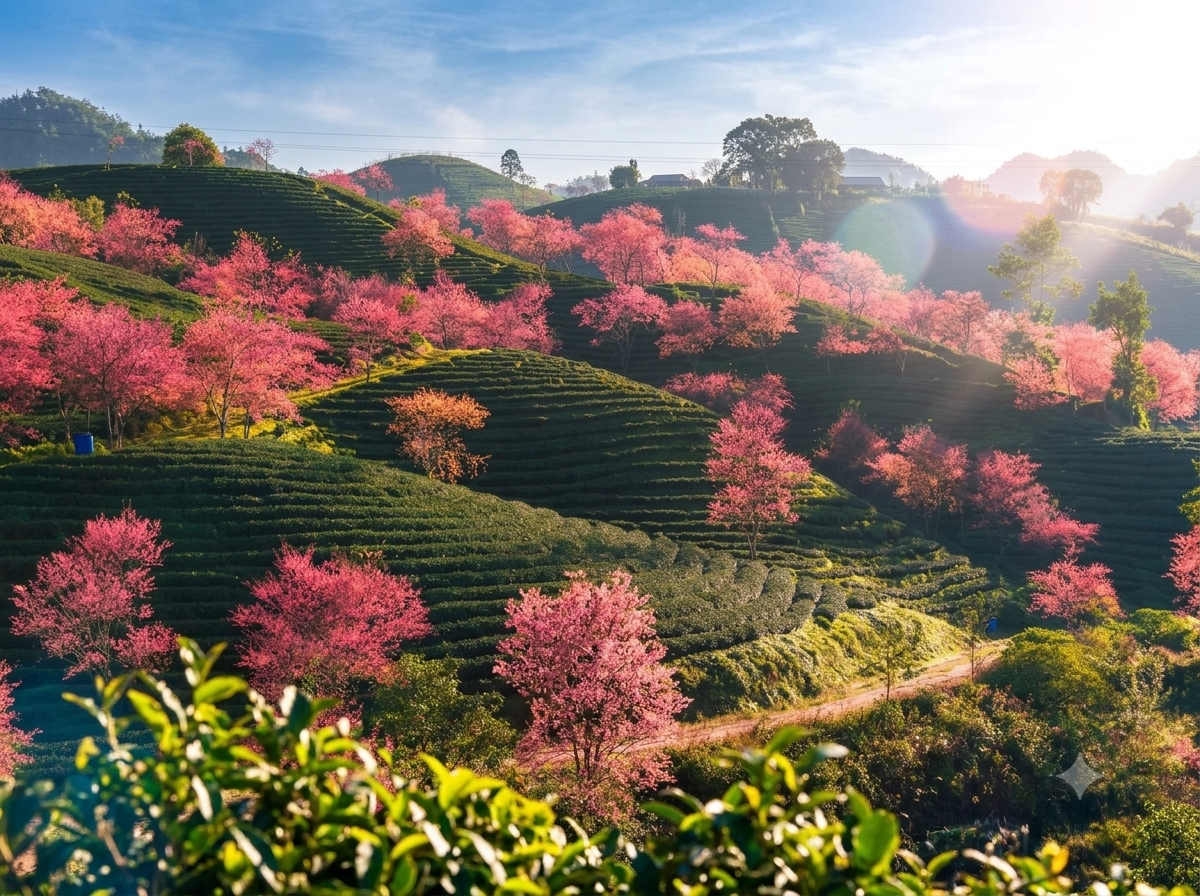
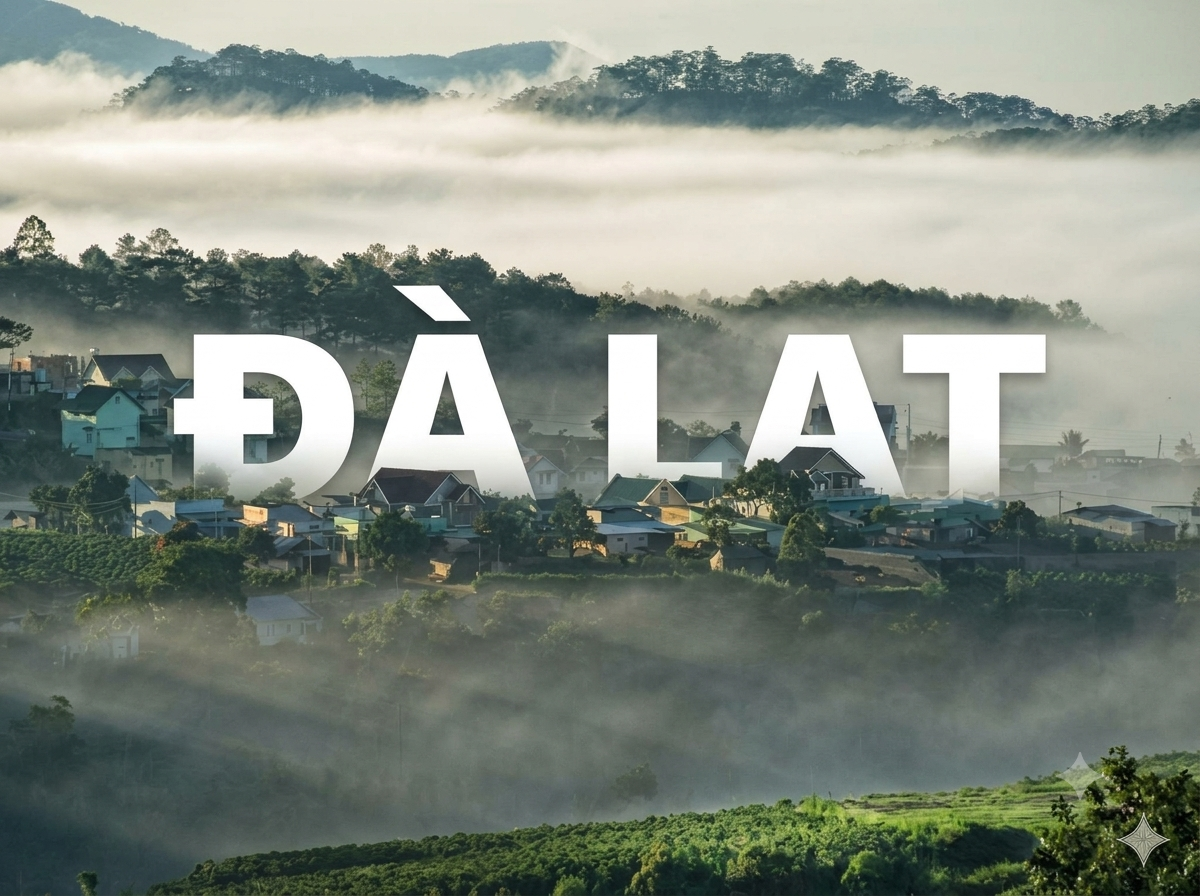
Da Lat is a highland city in Vietnam known for its cooler climate, flower gardens, pine forests, waterfalls and relaxed atmosphere. Unlike Vietnam’s coastal destinations, Da Lat offers a different experience built around mountain scenery, outdoor attractions, cafés and local markets.
Da Lat at a Glance
Da Lat sits in Vietnam’s Central Highlands and is popular with travellers looking for cooler weather and a break from the country’s hotter cities.
The city combines natural scenery with attractions such as temples, gardens, historic buildings, waterfalls and viewpoints. Its compact central area also makes it relatively easy to explore several attractions in a short trip.
The Character of Da Lat
Da Lat has a slower pace than larger Vietnamese cities. The central area is lively around the market and Xuan Huong Lake, while the outskirts become greener and more scenic.
The city is particularly known for its flowers, strawberries, coffee culture and cool highland atmosphere. Visitors can venture beyond the city centre to discover natural highlights like Datanla Waterfall and Lang Biang Mountain, adding adventure and scenic exploration to their stay.
Who Is Da Lat Suitable For?
Da Lat can work well for:
- Couples looking for a scenic and relaxed getaway
- Families interested in gardens, waterfalls and easy sightseeing
- Solo travellers who enjoy cafés, markets and outdoor activities
- Nature lovers interested in mountains, forests and waterfalls
- Photography enthusiasts looking for landscapes and distinctive attractions
Travellers who mainly want beaches, nightlife or a large-city atmosphere may find Da Lat less suitable.
What This Da Lat Guide Covers
This guide focuses on 12 places and experiences that can realistically fit into a three-day trip.
It covers:
- Da Lat’s main city attractions
- Gardens, lakes and markets
- Temples and cultural sites
- Waterfalls and mountain experiences
- A practical 3-day itinerary
- Travel costs and transportation
- Weather, packing and common tourist mistakes
The aim is to help you experience Da Lat’s main highlights without turning a three-day trip into a rushed checklist.
When to Visit Da Lat
Da Lat has a cooler climate than most major destinations in southern Vietnam, making it attractive for travellers looking for a highland escape.
Da Lat Through the Seasons
The drier months are generally more comfortable for sightseeing, walking around the city and visiting outdoor attractions. These periods are ideal for travellers planning to explore Da Lat’s urban sights alongside its botanical gardens, waterfalls and surrounding highlands.
The wetter months bring more frequent rainfall and greener landscapes. This can still be a good time to visit if you prefer quieter travel and do not mind adjusting outdoor plans.
When Da Lat Is Most Comfortable to Explore
The drier period is generally the easiest time for a three-day sightseeing trip. Daytime temperatures are usually comfortable for exploring, while mornings and evenings can feel cooler.
A light jacket is useful, particularly for early mornings, evenings and higher-altitude areas.
Choosing the Best Time for Your Trip
Your ideal travel period depends on what you want from Da Lat:
- Outdoor sightseeing: Prefer the drier months.
- Cooler temperatures: Da Lat is suitable throughout the year.
- Greener scenery: The wetter period can offer lush landscapes.
- Quieter travel: Consider travelling outside the busiest holiday periods.
My Take: For a first three-day visit, I would choose a period with generally drier conditions so there is more flexibility for outdoor sightseeing.
Things to Do in Da Lat
Da Lat offers a mix of lakes, gardens, markets, temples, waterfalls and mountain scenery. For a three-day trip, these 12 places provide a good balance of city sightseeing, culture and outdoor experiences.
City Attractions & Local Experiences
1. Xuan Huong Lake

What to See: A large lake in the centre of Da Lat surrounded by walking paths and open spaces.
Why Visit: It is one of the easiest places to experience the city’s atmosphere without committing to a long excursion.
Who Is It Suitable For? Couples, families, older travellers, solo travellers and photographers.
My Take: I would use the lake as a relaxed starting point for exploring central Da Lat.
2. Da Lat Flower Park

What to See: Flower displays and landscaped gardens featuring a variety of plants associated with Da Lat.
Why Visit: It gives you a quick introduction to the city’s reputation as Vietnam’s flower-growing centre.
Who Is It Suitable For? Families, couples, photographers and garden lovers.
My Take: This is worth including if you enjoy gardens and want an easy daytime attraction.
3. Da Lat Market

What to See: A busy local market selling food, produce, flowers, clothing and other goods.
Why Visit: It is one of the best places to experience everyday commercial life in the city.
Who Is It Suitable For? Solo travellers, couples, families and food-focused travellers.
My Take: I would visit when you have enough time to browse rather than treating it as a quick photo stop.
4. Da Lat Railway Station

What to See: An old railway terminal featuring unique architectural details and a design that reflects Da Lat’s historical character.
Why Visit: It offers a combination of history, architecture and photography.
Who Is It Suitable For? Families, couples, photographers and history enthusiasts.
My Take: It is an easy attraction to combine with other central sightseeing.
5. Crazy House

What to See: A creative architectural complex featuring quirky structures, winding staircases, uniquely designed interiors and flowing forms.
Why Visit: It is one of Da Lat’s most distinctive attractions and feels very different from traditional Vietnamese architecture.
Who Is It Suitable For? Families with older children, couples, photographers and architecture enthusiasts.
My Take: This is worth adding to your itinerary if you enjoy exploring striking designs and unconventional buildings instead of visiting another traditional landmark.
Culture, Temples & Scenic Attractions
6. Bao Dai Summer Palace

What to See: A historic residence associated with Bao Dai, Vietnam’s last emperor.
Why Visit: It provides a glimpse into Vietnam’s royal history and offers a quieter cultural experience.
Who Is It Suitable For? History enthusiasts, couples, families and older travellers.
My Take: This is a useful choice for adding historical context to a Da Lat itinerary.
7. Linh Phuoc Pagoda

What to See: A highly decorative Buddhist pagoda known for its detailed mosaic work and distinctive architecture.
Why Visit: The unusual decoration makes it one of the more visually memorable religious sites around Da Lat.
Who Is It Suitable For? Families, couples, photographers and travellers interested in Vietnamese culture.
My Take: It is particularly worthwhile if you enjoy architecture and religious sites.
8. Truc Lam Zen Monastery

What to See: A Zen Buddhist monastery surrounded by landscaped grounds and highland scenery.
Why Visit: It offers a quieter experience away from the busier central streets.
Who Is It Suitable For? Couples, older travellers, solo travellers and visitors interested in culture.
My Take: I would combine this with nearby attractions rather than making it a separate half-day trip.
Nature, Mountains & Outdoor Experiences
9. Datanla Waterfall

What to See: A forested waterfall area with outdoor attractions and activities.
Why Visit: It adds a more active nature experience to a Da Lat itinerary.
Who Is It Suitable For? Best suited to families with school-age or teenage children, partners travelling together and visitors who enjoy outdoor adventures.
My Take: This is one of the better choices if you want to balance Da Lat’s city attractions with outdoor activities.
10. Lang Biang Mountain

What to See: Mountain scenery and viewpoints overlooking the surrounding highlands.
Why Visit: It offers a different perspective of Da Lat and is one of the area’s best-known mountain experiences.
Who Is It Suitable For? Active travellers, couples, photographers and families with older children.
My Take: I would prioritise Lang Biang if mountain scenery is one of your main reasons for visiting Da Lat.
11. Valley of Love

What to See: Landscaped gardens, walking areas and scenic surroundings outside the city centre.
Why Visit: It provides a relaxed combination of gardens and outdoor scenery.
Who Is It Suitable For? Couples, families and casual travellers.
My Take: It works best when combined with nearby attractions rather than planned as the main highlight of the day.
12. Clay Tunnel (Da Lat Sculpture Tunnel)

What to See: Large sculptures and artistic structures created from clay, representing elements of Da Lat’s history and local identity.
Why Visit: It offers something different from the city’s natural and historical attractions.
Who Is It Suitable For? Families, couples, photographers and visitors looking for unusual attractions.
My Take: I would include it if you want to add a distinctive visual experience to the itinerary.
My Take: For a three-day Da Lat trip, I would prioritise Xuan Huong Lake, Da Lat Market, Linh Phuoc Pagoda, Datanla Waterfall and Lang Biang Mountain, then build the remaining attractions around their locations. This gives the trip a better balance of city life, culture and nature.
3-Day Da Lat Itinerary
A three-day Da Lat trip works best when attractions are grouped by area. Instead of trying to visit all 12 places in a single day, this itinerary balances city sightseeing, culture and outdoor experiences.
Day 1 – Central Da Lat & City Attractions
Start with the main attractions around the city centre.
- Xuan Huong Lake
- Da Lat Flower Park
- Da Lat Railway Station
- Da Lat Market
- Crazy House
Spend the evening around the central area, where you can explore local food and cafés at a relaxed pace.
My Take: Keep the first day relatively easy. The central attractions are convenient to combine, so there is no need to rush between them.
Day 2 – Culture, Temples & Nature
Use the second day for attractions outside the main centre.
- Bao Dai Summer Palace
- Datanla Waterfall
- Truc Lam Zen Monastery
- Linh Phuoc Pagoda
Depending on your pace, you can spend more time at the waterfall or monastery rather than trying to give every stop the same amount of time.
My Take: Combine visits to historic landmarks and religious sites with time outdoors to experience both the cultural heritage and natural beauty of Da Lat.
Day 3 – Mountains & Scenic Attractions
Make the final day more focused on Da Lat’s surrounding scenery.
- Lang Biang Mountain
- Valley of Love
- Clay Tunnel
If you prefer a slower trip, choose fewer attractions and spend more time around Lang Biang or another scenic area.
My Take: Lang Biang should be the priority on this day if mountain views and outdoor experiences are more important to you.
Adjusting the Itinerary
You do not need to visit all 12 places exactly as listed. Some travellers may prefer more time at nature attractions, while others may be more interested in architecture, markets and cultural sites.
If your trip includes young children or older travellers, reduce the number of stops and allow more breaks. For active travellers, more time can be allocated to mountain and outdoor experiences.
My Take: The best three-day Da Lat itinerary is one that leaves some breathing room. I would rather visit fewer places comfortably than turn every day into a checklist.
Da Lat Travel Costs
Da Lat can suit different travel budgets depending on your choice of accommodation, food, transportation and activities. Compared with major Vietnamese cities, the city can be relatively manageable for travellers who choose local restaurants and simple accommodation.
Budget, Mid-Range & Luxury Travel
Budget travellers can choose guesthouses or simple hotels, eat at local restaurants and use affordable transportation.
Mid-range travellers can stay in comfortable hotels, combine local restaurants with cafés and use taxis or private transportation when needed.
Luxury travellers can choose boutique or high-end hotels, private transfers, fine dining and organised experiences.
Accommodation & Food Costs
Accommodation is one of the main parts of a Da Lat travel budget. Staying near the city centre can make sightseeing easier, while properties farther from the centre may offer a quieter setting.
Food is flexible as well. Local restaurants and markets can keep daily spending lower, while cafés, international restaurants and higher-end dining will increase the budget.
Transport & Attractions
Many central attractions can be reached relatively easily, but some outdoor attractions are farther from the city centre.
Taxis, ride-hailing services, motorbikes and private cars can all be useful depending on your itinerary. Guided tours can also simplify transportation between several attractions.
Some attractions have entrance fees, while simply exploring areas such as Xuan Huong Lake and central streets can be done without major admission costs.
Planning Your Da Lat Budget
For a three-day trip, plan your spending around four main areas:
- Accommodation – Choose your location and hotel category first.
- Food – Allow for local meals, cafés and occasional higher-end dining.
- Transportation – Budget more if you plan several trips outside the city centre.
- Attractions – Check current entrance fees before your visit.
Prices can vary according to season, location and booking date, so current rates should be checked before finalising your travel budget.
Getting Around & Travel Tips
Da Lat is relatively easy to explore, but attractions are spread between the city centre and surrounding hills. Planning your transportation around each day’s route can save time.
Getting Around Da Lat
Walking works well around central areas such as Xuan Huong Lake, Da Lat Market and nearby attractions.
Motorbikes provide more flexibility for experienced riders who are legally permitted to ride in Vietnam. However, Da Lat’s hills and winding roads require extra care.
Taxis and ride-hailing services are convenient for short and medium-distance journeys. For a full day of visiting attractions outside the centre, a private car or organised tour can be more practical.
Outdoor & Mountain Activities
Several Da Lat attractions involve walking, stairs or uneven surfaces.
- Wear comfortable footwear for waterfalls and viewpoints.
- Allow extra time for mountain attractions.
- Carry drinking water during longer outdoor visits.
- Follow signs and local instructions at natural attractions.
- Check activity requirements before joining adventure experiences.
Exploring Lang Biang Mountain and Datanla Waterfall may be more demanding than visiting sights in the city centre, so choose activities that match your physical ability.
Food & Local Experiences
Da Lat is known for its coffee, strawberries, flowers and local produce. The central market is a useful place to experience local food and everyday activity.
You can also try local dishes and snacks at smaller restaurants and street-food areas. As with any destination, choose places with good hygiene and regular customer traffic.
What to Pack
Useful items for Da Lat include:
- Comfortable walking shoes
- Lightweight layers
- A light jacket
- Sun protection
- Reusable drinking water
- Small day bag
- Rain protection
- Insect repellent for outdoor areas
Layered clothing is particularly useful because temperatures can feel different between daytime, evenings and higher areas.
Common Tourist Mistakes
A few mistakes can make a Da Lat trip unnecessarily tiring:
- Trying to visit all 12 attractions too quickly
- Underestimating travel time between city and mountain areas
- Planning too many outdoor attractions in one day
- Renting a motorbike without being comfortable with hill roads
- Staying far from the centre without considering transportation
- Spending the entire trip only at tourist attractions and missing local markets and cafés
My Take: Da Lat is easiest to enjoy when you group attractions by location, leave enough time for travel and mix major sights with slower experiences such as cafés, markets and lakeside walks.
What to Expect from Da Lat
Da Lat offers a different side of Vietnam, combining highland scenery, gardens, cultural attractions and a relaxed café culture. It is a good choice for travellers who want a mix of sightseeing and outdoor experiences without focusing on beaches or busy city life.
What I Would Prioritize
For a three-day visit, I would prioritise Xuan Huong Lake, Da Lat Market, Linh Phuoc Pagoda, Datanla Waterfall and Lang Biang Mountain.
These places offer a useful mix of local atmosphere, architecture, culture and nature. The remaining attractions can be added depending on your interests and available time.
Who Da Lat Suits
Da Lat can work particularly well for:
- Couples looking for a scenic getaway
- Families interested in gardens and outdoor attractions
- Solo travellers who enjoy cafés, markets and exploring independently
- Nature lovers interested in mountains and waterfalls
- Photographers looking for landscapes and distinctive architecture
Travellers who prefer beaches, nightlife or large-city entertainment may want to combine Da Lat with another destination in Vietnam.
When to Stay Longer
Three days is enough to explore many of Da Lat’s main highlights. Consider staying longer if you want to spend more time in the surrounding countryside, explore additional waterfalls, enjoy local cafés or take a slower approach to sightseeing.
A longer stay also gives you more flexibility to explore beyond the busiest tourist attractions.
My Take: Da Lat is best enjoyed by balancing its well-known attractions with time to appreciate the highland atmosphere. A flexible itinerary will usually be more rewarding than trying to fit every possible stop into three days.
FAQs
Is Da Lat worth visiting?
Yes. Da Lat is worth visiting if you enjoy mountain scenery, waterfalls, gardens, local markets and a cooler highland atmosphere. It offers a different experience from Vietnam’s coastal cities.
How many days do you need in Da Lat?
Three days is a good starting point for exploring the main city attractions, cultural sites and surrounding nature. An extra day is useful if you prefer a slower pace.
What is Da Lat famous for?
Da Lat is known for its cool climate, flower gardens, pine forests, waterfalls, coffee culture and scenic highland landscapes.
When should you plan your trip to Da Lat for the most comfortable weather?
The drier months are generally more convenient for sightseeing and outdoor activities. However, Da Lat can be visited throughout the year, depending on your preferred activities and tolerance for rain.
Would Da Lat be a good destination for a family holiday with kids?
Yes. Families can enjoy the flower park, lake, Crazy House, waterfalls and other outdoor attractions. Choose activities according to children’s ages and physical abilities.
Is Da Lat expensive?
Da Lat can suit different budgets. Local food and simple accommodation can help reduce costs, while boutique hotels, private transportation and organised activities increase spending.
How do you get around Da Lat?
Walking is useful in the city centre, while taxis, ride-hailing services, private cars and organised tours are practical for attractions farther away. Motorbikes are an option for experienced, legally permitted riders.
Is Da Lat better for nature or city sightseeing?
Da Lat offers both, but its appeal is particularly strong for travellers who enjoy nature and scenic surroundings. A three-day itinerary can combine central attractions with waterfalls, temples and mountain viewpoints.