Introduction
Vietnam is a popular destination for food lovers, offering a wide variety of flavours, from steaming bowls of pho and freshly prepared banh mi to regional noodle dishes and fresh seafood. Vietnamese cuisine combines fresh herbs, rice noodles, vegetables, meats and balanced sauces to create distinctive dishes across the country.
What Makes Vietnamese Food Special?
Vietnamese food is known for its balance of sweet, sour, salty and savoury flavours. Fresh herbs, rice, noodles and locally sourced ingredients feature in many traditional meals. From affordable street-food stalls to family-run restaurants, travellers can enjoy authentic local dishes at different price points.
What This Guide Covers
This guide features 25 places to eat across Vietnam, covering Hanoi, Ho Chi Minh City, Da Nang, Hoi An, Hue, Phu Quoc and Da Lat. Each recommendation includes its location, popular dishes and estimated cost to help you plan your food experiences.
You’ll also discover Vietnamese dishes worth trying, typical food prices, daily budget estimates and practical dining tips. Whether you’re exploring busy city streets or relaxing in a coastal destination, this guide will help you discover Vietnam’s food culture while planning meals that suit your budget.
25 Best Places to Eat in Vietnam
Vietnam has a diverse food culture, with each region offering its own specialities, traditional restaurants and street-food experiences. From Hanoi’s famous noodle soups to Ninh Binh’s goat dishes and the seafood of Vietnam’s coastal towns, there are plenty of ways to explore the country’s cuisine.
This guide features 25 places to eat across northern, central and southern Vietnam, including popular restaurants, local markets and street-food destinations. Each recommendation includes its location, signature dishes and estimated cost to help you plan your food itinerary.
Note: Prices are approximate estimates in Vietnamese dong (VND) per person or serving. Actual prices depend on the restaurant, portion size and current menu.
Best Places to Eat in Northern Vietnam
Northern Vietnam is known for its balanced flavours, traditional noodle dishes, grilled meats and regional specialities from its mountain communities.
1. Phở Gia Truyền Bát Đàn
Location: 49 Bát Đàn Street, Hoàn Kiếm District, Hanoi
Phở Gia Truyền Bát Đàn is a well-known destination for traditional Hanoi-style beef pho. The dish features rice noodles, thinly sliced beef and aromatic broth, making it a classic choice for breakfast or lunch.
- Popular dish: Phở bò (beef noodle soup)
- Estimated cost: 50,000–80,000 VND per bowl
2. Bún Chả Hương Liên
Location: 24 Le Van Huu Street, Hai Ba Trung area, Hanoi, Vietnam.
Bún chả is one of Hanoi’s signature dishes, made with grilled pork, rice noodles, fresh herbs and a dipping sauce. Hương Liên is a popular spot in Hanoi where visitors can sample this traditional northern Vietnamese dish.
- Popular dish: Bún chả with grilled pork
- Estimated cost: 60,000–100,000 VND per meal
3. Chả Cá Thăng Long
Location: Đường Thành Street area, Hoàn Kiếm District, Hanoi
This restaurant is known for chả cá, a traditional Hanoi dish featuring fish cooked with turmeric, dill and spring onions. It is usually served with noodles, herbs and dipping sauces.
- Popular dish: Chả cá (turmeric fish with dill)
- Estimated cost: 150,000–250,000 VND per person
4. Bánh Mì 25
Location: Hàng Cá Street, Hoàn Kiếm District, Hanoi
Bánh Mì 25 is a popular stop for Vietnamese baguettes filled with ingredients such as grilled meat, pâté, vegetables and sauces. It is a convenient option for travellers looking for a quick meal while exploring the Old Quarter.
- Popular dishes: Grilled pork bánh mì and chicken bánh mì
- Estimated cost: 30,000–60,000 VND per sandwich
5. Café Giảng
Location: 39 Nguyễn Hữu Huân Street, Hoàn Kiếm District, Hanoi
Café Giảng is famous for Vietnamese egg coffee, a Hanoi speciality combining coffee with a creamy whipped egg mixture. It is a good place to experience the city’s distinctive café culture.
- Popular dish: Vietnamese egg coffee
- Estimated cost: 30,000–60,000 VND per drink
6. Nhà Hàng Đức Dê
Location: Ninh Binh City area, Ninh Binh Province
Ninh Binh is famous for dishes made with mountain goat, often grilled, steamed or cooked in a hot pot. Traditional goat restaurants around Ninh Binh City are worth visiting to experience this regional speciality.
- Popular dishes: Grilled goat, steamed goat and goat hot pot
- Estimated cost: 150,000–300,000 VND per person
7. Tam Coc Local Food Restaurants
Location: Tam Coc area, Hoa Lu, Ninh Binh Province
The Tam Coc area has numerous local restaurants serving regional dishes to visitors exploring the nearby limestone landscapes and waterways. It is a convenient place to try goat meat alongside other northern Vietnamese favourites.
- Popular dishes: Goat meat, crispy rice (cơm cháy) and Vietnamese rice dishes
- Estimated cost: 80,000–200,000 VND per person
8. Sa Pa Market Food Stalls
Location: Sa Pa town centre, Lao Cai Province
Sa Pa Market is a useful place to explore northern mountain-region food. Local stalls and nearby eateries serve warming dishes and grilled foods that suit the area’s cooler climate.
- Popular dishes: Grilled skewers, smoked buffalo meat and regional hot-pot dishes
- Estimated cost: 30,000–150,000 VND per dish or serving
Best Places to Eat in Central Vietnam
Central Vietnam is known for distinctive noodle dishes, small savoury rice cakes, crispy pancakes and fresh seafood. The food varies from city to city, making this region particularly rewarding for culinary exploration.
9. Bún Chả Cá 109
Location: 109 Nguyễn Chí Thanh Street, Hải Châu District, Da Nang
Bún chả cá is a popular central Vietnamese noodle soup made with fish cakes, rice noodles and a flavourful broth. Visitors looking to taste this noodle soup in Da Nang can consider this eatery.
- Popular dish: Bún chả cá (fish-cake noodle soup)
- Estimated cost: 35,000–60,000 VND per bowl
10. Mì Quảng Bà Vị
Location: Lê Đình Dương Street area, Hải Châu District, Da Nang
Mì Quảng is a regional noodle speciality served with a relatively small amount of rich broth, meat or seafood, fresh herbs, peanuts and crispy rice crackers. It is one of the dishes visitors should consider trying in Da Nang.
- Popular dishes: Mì Quảng with pork, chicken or shrimp
- Estimated cost: 35,000–70,000 VND per bowl
11. Hải Sản Bé Mặn
Location: Võ Nguyên Giáp coastal road area, Sơn Trà District, Da Nang
Da Nang’s coastal setting makes it a popular destination for seafood. Bé Mặn is known for seafood meals featuring a selection of fish, prawns, clams and other locally available catches.
- Popular dishes: Prawns cooked on the grill, fresh clams, fish and assorted seafood.
- Estimated cost: 150,000–400,000 VND per diner, based on the seafood ordered.
12. Bánh Mì Phượng
Location: 2B Phan Chu Trinh Street in Hoi An, Vietnam.
Bánh Mì Phượng is one of Hoi An’s best-known sandwich shops. Its Vietnamese baguettes are filled with combinations of meat, pâté, vegetables and sauces, making them a popular option for a quick meal.
- Popular dish: Mixed-meat bánh mì
- Estimated cost: 30,000–60,000 VND per sandwich
13. Cao Lầu Thanh
Location: 26 Thái Phiên Street, Hoi An
Cao lầu is a signature Hoi An noodle dish featuring thick noodles, sliced pork, fresh greens and crunchy toppings. Cao Lầu Thanh offers visitors an opportunity to enjoy this traditional noodle dish in Hoi An.
- Popular dish: Cao lầu with pork
- Estimated cost: 35,000–60,000 VND per bowl
14. White Rose Restaurant
Location: 533 Hai Bà Trưng Street, Hoi An
White Rose Restaurant is associated with Hoi An’s delicate white rose dumplings, which are usually filled with shrimp or pork and served with a savoury sauce. The menu also features crispy wontons, offering another local favourite for visitors to sample.
- Popular dishes: White rose dumplings and fried wontons
- Estimated cost: 50,000–120,000 VND per dish
15. Hạnh Restaurant
Location: 11 Phó Đức Chính Street, Hue
Hạnh Restaurant is known for serving a selection of Hue specialities. It is a useful choice for travellers who want to sample several regional dishes in one meal.
- Popular dishes: Bánh khoái, nem lụi and bánh bèo
- Estimated cost: 80,000–180,000 VND per person
16. Đông Ba Market Food Stalls
Location: Trần Hưng Đạo Street area, Hue
Đông Ba Market is a well-known destination for local food and everyday market culture. Its stalls offer an opportunity to sample Hue’s distinctive noodle soups, rice cakes and other traditional snacks.
- Popular dishes: Bún bò Huế, bánh bèo and bánh lọc
- Estimated cost: 25,000–70,000 VND per dish
17. Bánh Xèo Tôm Nhảy Local Eateries
Location: Quy Nhon City, Binh Dinh Province
Quy Nhon is known for bánh xèo tôm nhảy, a crispy Vietnamese pancake filled with fresh shrimp. Local eateries are a good place to try this speciality, typically served with fresh greens and dipping sauce.
- Popular dish: Bánh xèo tôm nhảy (crispy shrimp pancake)
- Estimated cost: 40,000–100,000 VND per serving
Best Places to Eat in Southern Vietnam
Southern Vietnamese cuisine often features fresh herbs, sweeter sauces, hearty rice meals and a wide variety of street food. Seafood and Mekong Delta specialities are also important parts of the region’s food culture.
18. Cơm Tấm Ba Ghiền
Location: 84 Đặng Văn Ngữ Street, Phú Nhuận District, Ho Chi Minh City
Cơm tấm, or broken rice, is one of southern Vietnam’s best-known everyday meals. Ba Ghiền is famous for rice plates served with grilled pork and traditional accompaniments.
- Popular dish: Cơm tấm sườn (broken rice with grilled pork chop)
- Estimated cost: 70,000–150,000 VND per meal
19. Bánh Mì Huỳnh Hoa
Location: 26 Lê Thị Riêng Street, District 1, Ho Chi Minh City
Bánh Mì Huỳnh Hoa is known for generously filled Vietnamese sandwiches containing combinations of meats, pâté, pickled vegetables and sauces. It is a popular stop for travellers exploring the city centre.
- Popular dish: Mixed-meat bánh mì
- Estimated cost: 60,000–100,000 VND per sandwich
20. Phở Hòa Pasteur
Location: 260C Pasteur Street, District 3, Ho Chi Minh City
Phở Hòa Pasteur is a recognised destination for southern-style pho. The menu features rice noodles served in aromatic broth with beef or other traditional toppings, herbs and accompaniments.
- Popular dishes: Beef pho and chicken pho
- Estimated cost: 70,000–120,000 VND per bowl
21. Bến Thành Market Food Stalls
Location: Lê Lợi Street area, District 1, Ho Chi Minh City
Bến Thành Market is a convenient place to sample several Vietnamese dishes in one location. Its food stalls offer local meals, snacks, desserts and drinks, making it suitable for travellers who want variety.
- Popular dishes: Vietnamese noodle soups, spring rolls, bánh xèo and local desserts
- Estimated cost: 50,000–150,000 VND per meal
22. Cái Răng Floating Market Food Vendors
Location: Cái Răng Floating Market, Can Tho
Cái Răng Floating Market offers a glimpse into the Mekong Delta’s river-based food culture. Vendors sell breakfast dishes, drinks and produce from boats, although the selection and availability can vary by day.
- Popular dishes: Hủ tiếu (Vietnamese noodle soup), rice-noodle dishes and Vietnamese coffee
- Estimated cost: 30,000–70,000 VND per serving
23. Gốc Vú Sữa Bánh Khọt
Location: Nguyễn Trường Tộ Street area, Vung Tau
Bánh khọt is one of Vung Tau’s signature foods: small, crispy savoury pancakes typically topped with shrimp and served with fresh greens and dipping sauce. Local bánh khọt restaurants are a good place to try this coastal speciality.
- Popular dish: Bánh khọt with shrimp
- Estimated cost: 40,000–100,000 VND per serving
Best Places to Eat in Vietnam’s Coastal & Highland Destinations
Vietnam’s coastal cities are ideal for seafood and fish-based noodle soups, while its islands offer opportunities to sample locally caught seafood and regional dishes.
24. Đầm Market Food Stalls
Location: Đầm Market area, Nha Trang, Khanh Hoa Province
Đầm Market is a useful stop for discovering local snacks, seafood products and traditional meals. Visitors can look for fish-cake noodle soup and other central Vietnamese dishes while exploring the market.
- Popular dishes: Bún chả cá, seafood dishes and local snacks
- Estimated cost: 30,000–100,000 VND per dish or serving
25. Dương Đông Night Market Food Stalls
Location: Dương Đông town centre, Phu Quoc Island
Dương Đông Night Market is a popular evening destination for exploring Phu Quoc’s food scene. Its stalls offer seafood, grilled dishes, snacks and desserts. Seafood prices can vary considerably depending on the species, portion and preparation method.
- Popular dishes: Grilled seafood, prawns, squid and local seafood noodles
- Estimated cost: 100,000–300,000 VND per person, depending on the selection
Tips for Choosing Where to Eat in Vietnam
- Try regional specialities: Choose pho and bun cha in Hanoi, goat dishes in Ninh Binh, cao lầu in Hoi An and bánh khọt in Vung Tau.
- Check prices before ordering: This is particularly important at seafood restaurants where prices may depend on weight.
- Explore local markets: Markets can offer a variety of regional foods in one place, but opening hours and food availability vary.
- Carry some cash: Smaller food stalls and market vendors may not accept cards.
- Verify details before visiting: Restaurant locations, opening hours and menus can change. Confirm the current details before travelling.
These 25 recommendations provide a starting point for exploring Vietnam’s food culture across different regions. Combining established restaurants with markets and local eateries can help you discover both famous dishes and regional specialities.
Best Vietnamese Dishes to Try
Vietnamese cuisine offers a wide range of dishes made with rice noodles, fresh herbs, vegetables, meat and seafood. Each region has its own specialities, from Hanoi’s traditional noodle soups to Hoi An’s distinctive cao lầu and Hue’s spicy beef noodle soup.
If you’re visiting Vietnam for the first time, these dishes are a great introduction to the country’s food culture. Prices vary by location and restaurant, but many local favourites are affordable enough to try throughout your trip.
Popular Vietnamese Noodle Dishes
Pho (Phở)
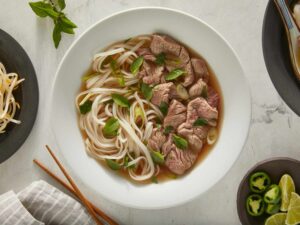
Pho holds an important place in Vietnamese cuisine and is enjoyed across the country. It consists of flat rice noodles served in a flavourful broth, usually with beef or chicken, fresh herbs and lime. It is commonly eaten for breakfast but is available throughout the day.
Where to try it: Hanoi is particularly well known for traditional beef pho, while Ho Chi Minh City offers southern-style versions with a wider range of fresh accompaniments.
Estimated cost: 40,000–100,000 VND per bowl.
Bun Cha (Bún Chả)
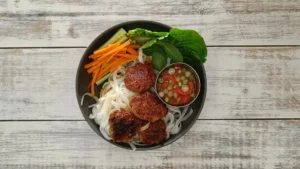
Bun cha is a Hanoi speciality made with grilled pork, rice noodles, fresh herbs and a dipping sauce. The pork may be served as slices and small patties, giving the dish a smoky flavour that complements the fresh vegetables and noodles.
Where to try it: Hanoi, particularly traditional restaurants around the city centre.
Estimated cost: 50,000–100,000 VND per serving.
Cao Lau (Cao Lầu)
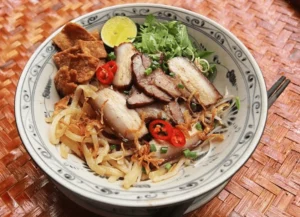
Cao lau is a distinctive noodle dish associated with Hoi An. It features thick, chewy noodles topped with sliced pork, fresh greens, crispy crackers and a small amount of concentrated broth. Its texture and combination of toppings distinguish it from other Vietnamese noodle dishes.
Where to try it: Hoi An, where local eateries specialise in this regional dish.
Estimated cost: 35,000–70,000 VND per bowl.
Mi Quang (Mì Quảng)
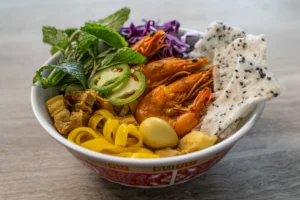
Mi Quang is a central Vietnamese noodle dish typically prepared with turmeric-tinted noodles, meat or seafood, fresh herbs, peanuts and crispy rice crackers. Unlike many noodle soups, it contains relatively little broth, allowing the toppings and noodles to stand out.
Where to try it: Da Nang and Quang Nam Province.
Estimated cost: 35,000–80,000 VND per bowl.
Bun Bo Hue (Bún Bò Huế)
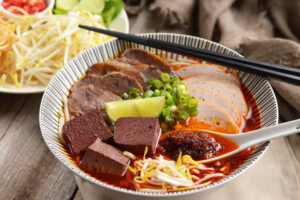
Hailing from Hue, bun bo Hue combines beef, noodles and a bold, chilli-infused broth. Its broth is generally rich and aromatic, with lemongrass contributing a distinctive fragrance. Depending on the recipe, the bowl may include beef, pork and thick rice noodles.
Where to try it: Hue is the best place to experience this regional speciality, but restaurants in many other Vietnamese cities serve it too.
Estimated cost: 40,000–90,000 VND per bowl.
Vietnamese Street Food & Main Meals
Banh Mi (Bánh Mì)
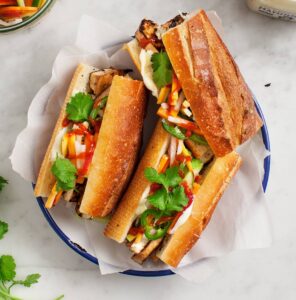
Banh mi is a Vietnamese baguette sandwich influenced by French baking traditions. It is commonly filled with meat, pâté, pickled vegetables, fresh herbs and sauces. Different vendors offer variations featuring grilled pork, chicken, eggs or vegetarian fillings.
Where to try it: Ho Chi Minh City, Hanoi and Hoi An.
Estimated cost: 20,000–70,000 VND per sandwich.
Banh Xeo (Bánh Xèo)
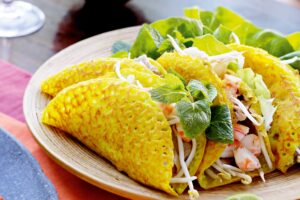
Banh xeo is a crispy savoury pancake made from a rice-flour batter, often coloured yellow with turmeric. Shrimp, sliced pork and bean sprouts are common ingredients in the filling. It is commonly eaten alongside fresh herbs and dipping sauce, with some diners folding the pancake into rice paper rolls before serving.
Where to try it: Da Nang, Ho Chi Minh City and other central and southern Vietnamese destinations.
Estimated cost: 40,000–120,000 VND per serving.
Goi Cuon (Gỏi Cuốn)
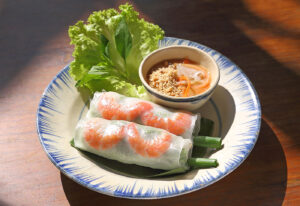
Goi cuon, commonly known as fresh spring rolls, are made with rice paper wrapped around ingredients such as shrimp, pork, rice vermicelli and fresh herbs. They are usually served with a dipping sauce and offer a lighter alternative to fried snacks.
Where to try it: Ho Chi Minh City and local restaurants throughout Vietnam.
Estimated cost: 30,000–70,000 VND per portion.
Com Tam (Cơm Tấm)
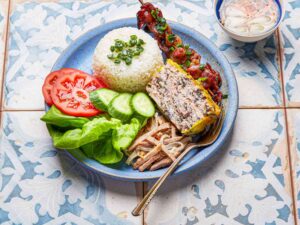
Com tam is a popular southern Vietnamese meal made with broken rice. It is often served with grilled pork, pickled vegetables, cucumber and fish sauce. Some versions also include a steamed egg-and-meat mixture or a fried egg.
Where to try it: Ho Chi Minh City, where com tam is a familiar everyday meal.
Estimated cost: 40,000–120,000 VND per plate.
Vietnamese Seafood & Drinks
Vietnamese Seafood
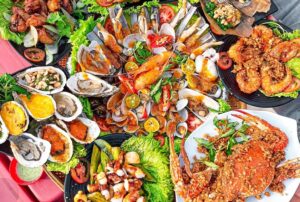
Vietnam’s long coastline and island destinations offer a wide selection of seafood. Common choices include grilled prawns, squid, clams, crab and fish, prepared with garlic, chilli, lemongrass or other local seasonings. Seafood is often shared among diners, making it a good option for groups.
Where to try it: Nha Trang, Da Nang, Vung Tau and Phu Quoc.
Estimated cost: Approximately 100,000–400,000 VND per person, depending on the restaurant and seafood selected. Premium seafood may cost considerably more.
Vietnamese Egg Coffee (Cà Phê Trứng)

Egg coffee is a Hanoi speciality made by combining strong coffee with a rich, creamy mixture of whipped egg yolk and sweetened condensed milk. It is often served warm, although some cafés offer iced versions.
Where to try it: Hanoi cafés, particularly around the Old Quarter.
Estimated cost: 25,000–60,000 VND per cup.
Che (Chè)
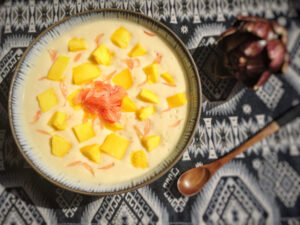
Che is a broad category of Vietnamese sweet desserts and drinks. Depending on the variety, it may contain beans, jelly, fruit, coconut milk, tapioca pearls or sweetened ingredients served with ice. It is a popular way to finish a meal or enjoy an afternoon snack.
Where to try it: Street-food stalls, local markets and dessert shops across Vietnam.
Estimated cost: 15,000–50,000 VND per serving.
Tips for Trying Vietnamese Food
- Start with regional dishes: Try bun cha in Hanoi, mi Quang in Da Nang and cao lau in Hoi An.
- Explore street food: Local stalls can offer affordable meals and freshly prepared snacks.
- Adjust for spice: Chilli is often served separately, so ask for less spice if needed.
- Check ingredients: Fish sauce, shrimp paste, peanuts and other allergens may be present in sauces or toppings.
- Ask about vegetarian options: Some vegetable-based dishes and broths may still contain fish sauce, meat stock or seafood ingredients.
Exploring Vietnamese food is about more than tasting famous dishes. Trying regional recipes, visiting local markets and sampling everyday meals can help you understand the differences between northern, central and southern Vietnamese cuisine.
Vietnam Food Costs & Daily Budget
Vietnam is a popular destination for travellers looking for good food at different price points. From inexpensive street-food stalls and local eateries to modern cafés and upscale restaurants, there are plenty of dining options to suit different budgets.
Your daily food expenses depend on where you eat, which dishes you choose and how often you visit cafés or seafood restaurants. Planning a daily allowance in advance can help you enjoy Vietnamese cuisine without overspending.
Average Food Prices in Vietnam
Food prices vary between cities, tourist areas and local neighbourhoods. Street-food stalls and small family-run eateries are generally more affordable than premium restaurants.
Here are approximate prices for common meals and drinks:
| Food or Drink | Estimated Cost |
| Pho or other noodle soup | 40,000–100,000 VND |
| Banh mi sandwich | 20,000–70,000 VND |
| Local rice meal | 40,000–120,000 VND |
| Fresh spring rolls | 30,000–70,000 VND per portion |
| Vietnamese coffee | 20,000–50,000 VND |
| Egg coffee | 25,000–60,000 VND |
| Street-food snack or dessert | 15,000–50,000 VND |
| Seafood meal | 100,000–400,000+ VND per person |
Use these figures as general budgeting guidelines, as restaurant prices may vary. Seafood, premium restaurants and tourist-focused venues may charge significantly more.
Budget, Mid-Range & Luxury Dining
Budget Dining
Budget dining is ideal for travellers who want to experience Vietnamese food while keeping daily expenses low. Local noodle shops, street-food stalls, market vendors and simple rice restaurants offer plenty of affordable choices.
A budget traveller might have pho for breakfast, a rice meal for lunch and a banh mi or local noodle dish for dinner. Choosing local drinks and limiting expensive cafés can also help control spending.
- Estimated daily food budget: 150,000–300,000 VND per person
- Best options: Street food, local eateries, market stalls and simple restaurants
- Suitable for: Backpackers, students and cost-conscious travellers
Mid-Range Dining
Mid-range dining provides a balance between affordability and comfort. Your meals could include neighbourhood eateries, relaxed café visits, comfortable restaurant dining and seafood dishes from time to time.
This budget allows more flexibility to try regional specialities, enjoy drinks with meals and visit popular restaurants without choosing the cheapest option every time.
- Estimated daily food budget: 300,000–700,000 VND per person
- Best options: Established local restaurants, cafés, casual seafood restaurants and food markets
- Suitable for: Couples, families and travellers seeking comfort and variety
Luxury Dining
Luxury dining may include fine-dining restaurants, premium seafood, tasting menus, hotel restaurants and speciality cafés. These experiences can be considerably more expensive than everyday Vietnamese meals.
The cost depends on the restaurant, the number of courses, drinks and whether you choose premium ingredients such as lobster or other high-value seafood.
- Estimated daily food budget: 800,000–2,000,000+ VND per person
- Best options: Fine dining, premium seafood restaurants and upscale hotel dining
- Suitable for: Travellers seeking premium culinary experiences
These budget categories are illustrative. Actual spending may fall outside these ranges, especially when several expensive meals or alcoholic drinks are included.
Example Daily Food Budget
A practical way to estimate food expenses is to divide your daily spending into breakfast, lunch, dinner, drinks and snacks.
The following example illustrates a comfortable day of eating at local restaurants and cafés, rather than a luxury dining itinerary.
| Meal or Expense | Example Budget |
| Breakfast — pho or banh mi | 50,000 VND |
| Lunch — local rice meal | 80,000 VND |
| Dinner — local restaurant meal | 120,000 VND |
| Coffee and drinks | 50,000 VND |
| Snacks or dessert | 30,000 VND |
| Estimated daily total | 330,000 VND |
For a three-day trip, this example works out to approximately 990,000 VND per person for food and drinks.
For a seven-day trip, the same spending pattern would total around 2,310,000 VND per person.
These examples exclude accommodation, transportation, attraction tickets and shopping. The final amount you spend will vary based on where you travel and the types of places you eat at.
Tips to Save Money on Food in Vietnam
Choose Local Restaurants
Small neighbourhood restaurants often serve traditional Vietnamese meals at lower prices than upscale restaurants in heavily visited tourist areas. Look for places with a steady flow of local customers and menus with clearly displayed prices.
Eat Street Food
Street food is a convenient way to try dishes such as pho, banh mi, banh xeo and fresh spring rolls. Choose vendors that prepare food freshly and handle ingredients hygienically.
Try Local Specialities
Ordering regional dishes can be a rewarding way to explore Vietnam without relying on expensive international restaurants. For example, try bun cha in Hanoi, cao lau in Hoi An or com tam in Ho Chi Minh City.
Check Seafood Prices Before Ordering
Seafood costs can vary substantially depending on the species, weight and preparation method. Ask for the price and confirm the quantity before ordering, particularly at restaurants where you select live seafood.
Balance Restaurant Meals With Simple Meals
You do not need to eat at expensive restaurants for every meal. Combining local breakfasts and lunches with an occasional special dinner can help you manage your budget while still enjoying a variety of dishes.
Avoid Unplanned Extras
Coffee, desserts, bottled drinks and snacks can add up over the course of a trip. Keeping track of these smaller expenses makes it easier to stay within your daily allowance.
Final Thoughts on Vietnam Food Costs
Vietnam offers dining options for a wide range of budgets. Travellers who mainly eat at local restaurants and street-food stalls can generally spend less than those who prefer premium restaurants and seafood experiences.
As a starting point, consider 150,000–300,000 VND per day for budget dining or 300,000–700,000 VND for a more flexible mid-range food budget. Set aside extra money for special meals, drinks and regional delicacies.
Before travelling, check current menus and prices in your chosen destinations. Planning around your preferred dining style will help you enjoy Vietnam’s food culture while keeping your overall travel expenses manageable.
Street Food vs Restaurants in Vietnam
Vietnam is famous for its lively street-food culture, but the country also has plenty of traditional restaurants, modern cafés and upscale dining options. Both street food and restaurant dining offer different ways to experience Vietnamese cuisine.
The best choice depends on your budget, preferred atmosphere, food preferences and comfort level. Many travellers enjoy a combination of both, sampling quick street-side meals during the day and visiting restaurants for regional specialities or dinner.
Where to Eat: Street Food or Restaurants?
Street Food in Vietnam
Street food is an important part of everyday life in Vietnam. Vendors serve freshly prepared meals from small stalls, market counters and roadside setups, often specialising in just one or two dishes.
Popular options include pho, banh mi, bun cha, banh xeo and fresh spring rolls. Street food is generally affordable and provides an opportunity to experience local flavours in a casual setting.
Advantages of street food:
- Usually affordable compared with many full-service restaurants.
- Offers access to traditional dishes and regional specialities.
- Convenient for quick breakfasts, lunches and snacks.
- Provides a closer look at everyday Vietnamese food culture.
Things to consider:
- Seating may be limited or less comfortable.
- Menus and ingredient information may not always be available in English.
- Food handling standards vary between vendors, so choose carefully.
Restaurants in Vietnam
Restaurants range from small family-run establishments to modern dining venues and premium seafood restaurants. They are useful for travellers who prefer table service, more seating space or a wider menu.
Traditional restaurants are also a good option for dishes that require more preparation, group meals and regional specialities.
Advantages of restaurant dining:
- More comfortable seating and a relaxed dining experience.
- Often a wider menu with several dishes to choose from.
- Easier to organise meals for families and groups.
- Some establishments provide English menus and clearer ingredient descriptions.
Things to consider:
- Prices can be higher than at street-food stalls.
- Popular restaurants may require waiting during busy periods.
- Tourist-focused venues may charge more than neighbourhood eateries.
Which Option Is Better?
Neither option is always better. Street food is particularly useful for affordable everyday meals and quick local experiences, while restaurants offer greater comfort and may be more suitable for longer meals or special occasions.
For a balanced food itinerary, try local street food for breakfast or lunch, visit traditional restaurants for regional dishes, and reserve upscale dining for experiences that interest you.
Food Hygiene and Safety Tips
Enjoying local cuisine is an important part of travelling in Vietnam, but sensible food-safety precautions can help reduce the risk of foodborne illness.
Choose Freshly Prepared Food
Look for food that is cooked thoroughly and served hot. At busy stalls, observe how ingredients are stored and whether cooked food is kept separate from raw ingredients.
Check Food Handling Practices
Choose vendors who use clean utensils, handle money and ready-to-eat food appropriately, and maintain a reasonably clean preparation area. A busy stall can be a useful sign of popularity, but it does not guarantee food safety.
Be Careful With Raw Ingredients
Fresh herbs and uncooked vegetables are common in Vietnamese dishes. Choose places where produce appears clean and is handled hygienically. If you are concerned about food safety, request cooked vegetables or avoid raw garnishes.
Drink Safe Water
Use sealed bottled water from a reliable source or water that has been treated appropriately. Check that bottled drinks are sealed before opening them, and be cautious about ice when its source is uncertain.
Pay Attention to Seafood
Vietnam offers excellent seafood, particularly in coastal destinations. Choose reputable restaurants, ensure seafood is cooked thoroughly, and confirm prices before ordering. Avoid seafood that smells unusual or appears improperly stored.
Vegetarian and Dietary Options
Travellers with different eating preferences can find options such as rice-based meals, vegetable dishes, noodle bowls and freshly prepared rolls throughout Vietnam. However, dishes that appear vegetarian may contain fish sauce, meat stock, shrimp paste or other animal-derived ingredients.
Vegetarian Food
Look for the Vietnamese word “chay,” which generally refers to vegetarian or Buddhist-style vegetarian food. Vegetarian restaurants and dedicated vegetarian menus can make ordering easier.
Useful dishes to look for include:
- Vegetarian banh mi
- Tofu and vegetable rice dishes
- Vegetable stir-fries with rice
- Fresh vegetable rolls
- Vegetarian noodle soups made with vegetable broth
Always confirm the ingredients, particularly sauces and broth.
Vegan Food
Vegan travellers should check whether meals contain eggs, dairy, honey, fish sauce or shrimp paste. Dedicated vegan restaurants are often the simplest option when avoiding all animal-derived ingredients.
Gluten-Free Options
Rice, rice noodles and many rice-paper dishes are naturally gluten-free, but sauces, marinades and seasonings may contain wheat or other gluten-containing ingredients. Ask about the preparation method and ingredients rather than assuming a dish is safe.
Food Allergies
If you have a food allergy, communicate it clearly before ordering. Peanuts, shellfish, fish sauce and other common ingredients may be present in sauces or shared cooking areas. If your allergy is serious, bring a card explaining it in Vietnamese and ask the restaurant whether your food can be prepared without contact with the allergen.
Final Thoughts
Street food and restaurant dining both play an important role in Vietnam’s food culture. Street stalls are excellent for affordable, quick meals, while restaurants provide comfort, variety and opportunities to explore more elaborate regional dishes.
By choosing food vendors carefully, checking ingredients and balancing street-food experiences with restaurant meals, you can enjoy a wider range of Vietnamese cuisine while making choices that suit your budget and dietary needs.
Practical Tips for Eating in Vietnam
Vietnam’s food culture offers everything from affordable street food to regional specialities and fine dining. A few practical tips can help you find good places to eat, order confidently and manage dietary needs during your trip.
Finding Local Food
Explore local markets, neighbourhood streets and family-run eateries to discover authentic Vietnamese dishes. Ask hotel staff or local residents for recommendations, and check recent online reviews before visiting. Try regional specialities wherever you travel, such as pho in Hanoi, cao lau in Hoi An and bun bo Hue in Hue.
Ordering Food and Managing Payments
Learn a few common Vietnamese food names, such as pho (noodle soup), banh mi (sandwich) and com (rice). Check ingredients and prices before ordering, especially when menus are unfamiliar. Carry Vietnamese dong (VND) for street-food stalls and small eateries, as card payments may not be available everywhere. Tipping is not generally compulsory, although it is appreciated for good service.
Food Safety and Dietary Requirements
Vietnamese dishes may contain fish sauce, shrimp paste, peanuts, seafood or meat-based broth. Check with the restaurant about the ingredients used whenever you need to avoid certain foods or manage an allergy. The word chay generally indicates vegetarian food, but confirm that the dish contains no fish sauce or meat stock if needed. To reduce food-related risks, opt for hot meals prepared to order, vendors serving customers regularly and drinking water in unopened bottles.
Planning ahead while exploring local recommendations will help you enjoy Vietnam’s diverse food culture with greater confidence.
FAQs About Vietnamese Food
What food is Vietnam famous for?
Vietnam is famous for pho, banh mi, bun cha, fresh spring rolls and banh xeo. Each region also has its own specialities, offering a wide variety of flavours and cooking styles.
Is Vietnamese food affordable?
Yes, Vietnamese food is generally affordable, especially at local eateries and street-food stalls. Prices vary depending on the destination, restaurant type and ingredients.
What is the most popular Vietnamese dish?
Pho is one of Vietnam’s best-known dishes. This noodle soup is traditionally served with broth, rice noodles, herbs and either beef or chicken.
Is Vietnamese food suitable for vegetarians?
Yes, vegetarian options are available, including vegetable dishes, tofu, rice and vegetarian noodle soups. Look for the word chay and confirm that the dish does not contain fish sauce or meat-based broth.
Can travellers enjoy Vietnamese street food safely?
Street food can be a great way to experience Vietnamese cuisine. Look for vendors serving a steady stream of customers, preparing meals fresh and maintaining clean food-handling practices.
What daily food expenses should I plan for when visiting Vietnam?
Your daily food budget depends on where and what you eat. Eating at local eateries and street stalls can help keep costs down, while upscale dining and international cuisine generally require a larger budget.
What should first-time visitors try in Vietnam?
Start with pho, banh mi, bun cha, fresh spring rolls and Vietnamese egg coffee. Try regional specialities as you travel to experience the country’s diverse food culture.