Introduction
Vietnam is a popular travel destination known for its diverse landscapes, historic cities, tropical beaches, mountain scenery and rich culture. Although the country can be visited throughout the year, the best time to travel depends on regional weather conditions, planned activities and personal preferences.
Vietnam stretches across several climate zones, so temperatures and rainfall can vary significantly between the north, central coast and south. Understanding these differences helps travellers choose suitable dates and plan a more enjoyable trip.
Vietnam’s Climate Overview
Northern Vietnam experiences distinct seasonal changes, including cooler winters and hot summers. Central Vietnam has its own weather patterns, with periods of heavy rainfall and potential storms, particularly during parts of the second half of the year. Southern Vietnam remains warm for most of the year, with a dry season and a rainy season.
Why Travel Timing Matters
The time of year can influence sightseeing conditions, beach activities, trekking opportunities and travel costs. Some months offer more comfortable weather for exploring outdoors, while others may bring heavy rain, higher humidity or larger tourist crowds. Choosing your travel dates carefully can help you make the most of Vietnam’s varied destinations and experiences.
Best Time to Visit Vietnam
The best time to visit Vietnam overall is generally March to April, when many parts of the country experience relatively pleasant temperatures and suitable conditions for sightseeing. However, Vietnam’s climate varies by region, so no single period guarantees ideal weather everywhere.
March and April are often good months for exploring cities, cultural attractions and natural landscapes. October and November can also be appealing, particularly in northern Vietnam and parts of the south, although central Vietnam may experience substantial rainfall during this period.
Best Months for Overall Travel
March and April are strong choices for travellers planning to visit multiple regions. Northern Vietnam begins warming up, central destinations can offer favourable sightseeing conditions, and southern Vietnam is typically approaching the end of its dry season.
October and November may suit travellers interested in cooler conditions in the north and outdoor exploration in the south. However, check central Vietnam’s local forecast before travelling, as rain and storms can affect some destinations.
Peak Season and Off-Season
Vietnam’s busiest travel periods often include major holiday periods, especially Tet (Vietnamese Lunar New Year), as well as popular international travel months. Flights and accommodation may become more expensive during these times, and some local businesses may close temporarily for Tet.
The rainy season can offer lower accommodation prices and fewer crowds in some areas, but conditions vary considerably across the country. Rather than avoiding an entire season, choose your travel dates according to the regions you plan to visit and check local weather forecasts before departure.
Vietnam Weather by Season
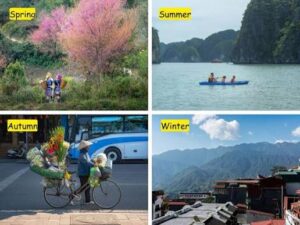
Vietnam has a tropical monsoon climate, but its long north-to-south geography creates noticeable differences in temperature, rainfall and seasonal conditions. The north experiences more distinct seasonal changes, central Vietnam has a different rainy season from the south, and southern Vietnam remains warm throughout the year.
Understanding these seasonal patterns helps you choose the right time for sightseeing, beach holidays, trekking and exploring the countryside. Weather conditions can also vary from year to year, so use these patterns as a general guide rather than a guarantee.
Spring and Summer
Spring (March–April) is often one of the most comfortable periods for travelling across Vietnam. Northern Vietnam begins warming after winter, with generally milder conditions for exploring cities, rural landscapes and mountain areas. Central Vietnam often has favourable conditions for sightseeing and coastal activities, while southern Vietnam is usually warm and relatively dry towards the end of its dry season.
Temperatures rise as spring progresses, particularly in the south. This period is suitable for travellers who want to combine different regions in one itinerary without experiencing the peak summer heat everywhere. However, northern mountain areas can remain cool, especially in the evenings.
Summer (May–August) brings higher temperatures, humidity and more frequent rainfall to many parts of the country. Northern Vietnam can become hot and humid, with heavy showers and occasional storms. Mountain destinations may experience mist or slippery trails, which can affect trekking and outdoor excursions.
Central Vietnam can remain suitable for beach holidays during parts of early and mid-summer, although temperatures may be high. Southern Vietnam is generally in its rainy season, when short but intense afternoon showers are common. Travellers visiting during summer should plan outdoor activities earlier in the day, carry rain protection and allow flexibility for weather-related changes.
Autumn and Winter
Autumn (September–November) brings changing conditions across the country. Northern Vietnam generally becomes cooler after the summer heat, making this period appealing for sightseeing, countryside excursions and mountain travel. Rice-growing areas may also offer attractive seasonal scenery, although the timing of harvest varies by location.
Central Vietnam often experiences its wettest period during these months. Heavy rain, flooding and tropical storms can disrupt transport and outdoor activities, particularly in some coastal and low-lying areas. Southern Vietnam usually continues to receive rainfall in September and October, with conditions gradually becoming drier towards November.
Winter (December–February) creates a stronger contrast between northern and southern Vietnam. Northern cities can be cool, cloudy or misty, while mountainous areas may experience much lower temperatures. Travellers heading to highland destinations should bring warm layers rather than assuming the entire country has tropical weather.
Central Vietnam may continue to experience rain during December, although conditions vary along the coast. Southern Vietnam is generally warm and drier, making winter a popular period for city sightseeing, countryside trips and beach destinations in the south. The Tet Lunar New Year holiday also falls during this broader period in some years, which can affect transport availability, business opening hours and travel prices.
Dry Season and Rainy Season
Vietnam does not have a single dry season or rainy season that applies equally across the country. Northern Vietnam generally receives more rain during the warmer months, while winters are cooler and often drier. Central Vietnam typically experiences its heaviest rainfall later in the year, particularly around autumn, although the timing and intensity vary by area.
Southern Vietnam has a more clearly defined pattern, with a dry season generally from December to April and a rainy season from May to November. During the rainy season, showers are often concentrated in the afternoon or evening, so travel can still be enjoyable when activities are planned flexibly.
The rainy season does not necessarily mean continuous rain all day, and the dry season does not guarantee clear skies everywhere. Tropical storms, local flooding, heat and humidity can affect travel at different times of the year. For a multi-region trip, check forecasts for each destination and avoid scheduling important outdoor activities too tightly around expected weather conditions.
Best Time to Visit Vietnam by Month
Vietnam’s weather changes throughout the year, and each period offers different travel opportunities. Some months are better for exploring the northern mountains, while others are more suitable for beaches, cultural attractions or southern Vietnam. The following monthly guide will help you compare conditions and choose travel dates based on your interests.
| Months | General Weather | Travel Suitability |
| January–March | Chilly weather in northern areas, with warmer and mostly rain-free conditions farther south. | City sightseeing, cultural trips and southern beaches |
| April–June | Warmer temperatures, increasing heat and rainfall | Exploring different regions, especially earlier in the period |
| July–September | Hot, humid and rainy in many areas | Flexible itineraries, nature trips and selected coastal destinations |
| October–December | Northern regions become cooler, while central areas may receive substantial rainfall. | Exploring northern attractions or relaxing on southern beaches, according to seasonal conditions. |
January to March
January often brings sunny, comfortable weather to southern destinations. The north can feel cold, especially at higher elevations, and some central locations may see intermittent showers during the early months. February and March bring gradually warmer conditions to the north, and southern destinations often remain suitable for outdoor activities and beach holidays.
March can be a convenient time to combine multiple parts of Vietnam in a single holiday. Since weather patterns differ across regions, review destination-specific forecasts before confirming your travel plans.
April to June
April falls between seasonal patterns in many areas and often brings pleasantly warm conditions throughout Vietnam. It can be a good month for combining city sightseeing, cultural attractions and outdoor experiences. Heat and moisture levels tend to rise during May and June, accompanied by more regular showers in the northern and southern regions.
Some central coastal destinations remain suitable for seaside breaks at this time, but visitors should prepare for high temperatures. Travellers should carry sun protection, drink sufficient water and schedule outdoor activities during cooler hours.
July to September
July through September generally brings muggy weather and recurring rainfall to many parts of the country. Downpours can affect northern destinations, and wet conditions may make mountain paths difficult to navigate. Southern areas continue to receive seasonal rain, while sections of the central coast can still be suitable for beach visits in July and August.
Northern Vietnam starts moving towards autumn in September, while some central destinations begin experiencing increasingly wet weather. If travelling during these months, allow extra time between activities and check weather alerts before boat trips, hikes or long-distance journeys.
October to December
Northern Vietnam often becomes more comfortable for sightseeing during October and November, when cooler air complements the region’s scenic landscapes. However, central Vietnam often experiences substantial rainfall during this period, and flooding or tropical storms can occasionally disrupt travel.
By December, southern Vietnam is generally entering its drier season, making it a popular choice for warm-weather holidays. Northern Vietnam becomes cooler, while central destinations may continue to experience rain, particularly earlier in the month. Travellers visiting multiple regions should plan around these differences rather than assuming the whole country shares the same conditions.
Overall, March and April are often good starting points for planning a Vietnam trip, while the best month for your particular itinerary depends on the regions you intend to visit and the activities you prioritise.
Vietnam’s Regional Climate
Vietnam’s climate varies from north to south because of its long geography, differences in elevation and seasonal monsoon patterns. Weather conditions can differ considerably across the country, ranging from crisp, dry days in one area to humid heat or intense showers elsewhere. Understanding these differences is important when planning a trip across the country.
Northern Vietnam
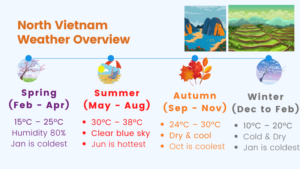
Northern Vietnam experiences four broadly recognisable seasons, with cooler winters and hot, humid summers. Temperatures are often milder during spring and autumn, whereas summer tends to bring greater moisture and heavier rainfall.
Weather and Best Time to Visit:
October to April is often suitable for sightseeing, although winter can be chilly and misty, particularly in mountainous areas. March and April can provide comfortable conditions for visiting urban attractions, rural areas and mountainous scenery. From May to September, heat, heavy showers and occasional storms can affect outdoor activities and trekking.
Central Vietnam
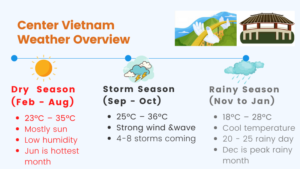
The timing and distribution of rainfall in central Vietnam differ from the seasonal patterns found in the country’s other regions. Coastal areas can experience hot, relatively dry weather during parts of spring and summer, while rainfall often increases from September and may continue into December.
Weather and Best Time to Visit:
Many central coastal destinations are well suited to seaside activities and outdoor exploration between March and August. During autumn and early winter, heavy rain, tropical storms and flooding can occasionally disrupt travel. Conditions vary by location, so check local forecasts before planning beach activities, boat trips or long-distance journeys.
Southern Vietnam
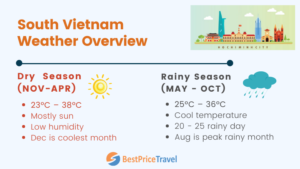
Southern Vietnam remains warm throughout the year, with less pronounced temperature changes than the north. Southern Vietnam mainly follows two distinct weather periods—a drier phase and a wetter phase—which can help visitors choose suitable travel dates.
Weather and Best Time to Visit:
Southern Vietnam typically experiences drier weather between December and April, making this period suitable for city tours, Mekong Delta excursions and beach escapes. Rainfall becomes more common from May through November. Showers can be heavy but are often concentrated in the afternoon or evening, so flexible scheduling can help you make the most of your trip.
Regional Climate at a Glance
| Region | General Climate | Often-Favourable Period | Main Weather Consideration |
| Northern Vietnam | Cooler winters, hot and rainy summers | October–April | Cold spells, mist and summer rainfall |
| Central Vietnam | Hot periods and a pronounced rainy season | March–August | Heavy rain and storms in autumn and early winter |
| Southern Vietnam | Warm year-round, with wet and dry seasons | December–April | Humidity and frequent showers during the wet season |
March and April can be good months to begin planning a journey across northern, central and southern Vietnam. However, Vietnam does not have one season that guarantees ideal conditions everywhere, so consider regional weather when finalising your travel dates.
When to Travel to Vietnam Based on Your Interests
The best time to visit Vietnam depends on your travel interests, whether you prefer beach holidays, cultural sightseeing, outdoor adventures or local festivals. Choosing the right season can help you enjoy these experiences while avoiding unfavourable weather where possible.
Beaches and Outdoor Activities
Best Time for Beach Holidays
Beach conditions vary across Vietnam’s coastline. Central Vietnam often offers favourable beach weather from March to August, while southern beach destinations are generally more suitable during the dry season, from December to April.
- Central Vietnam: Often suitable for swimming and coastal activities during the warmer, drier months.
- Southern Vietnam: Generally offers favourable beach conditions during the dry season.
- Northern Vietnam: Beach weather is more seasonal, with warmer conditions during summer.
Best Time for Trekking and Nature
Spring and autumn can provide comfortable conditions for trekking and exploring northern Vietnam’s countryside. Summer brings greener landscapes but can also mean heavy rain, slippery trails and high humidity.
- Plan hikes during cooler morning hours.
- Check local weather conditions before mountain excursions.
- Allow flexibility for rain-related changes to outdoor activities.
Sightseeing and Cultural Experiences
Best Months for Sightseeing
March and April are often good choices for exploring several regions in one trip. October and November can also suit sightseeing in northern and southern Vietnam, although central Vietnam may experience heavy rainfall.
Visiting Cities and Historical Attractions
Cities, temples, museums and historical sites can be explored throughout the year. For a more comfortable experience:
- Plan walking tours during the cooler hours to make sightseeing more comfortable.
- Check opening hours and public holiday schedules.
- Allow additional travel time during busy periods.
Festivals and Nature
Best Time for Vietnamese Festivals
Tet, the Vietnamese Lunar New Year, usually falls in January or February and is the country’s most important celebration. It offers a glimpse into local traditions, but transport can be busy and some businesses may close temporarily.
Other cultural events take place throughout the year, so check the festival calendar for your intended destinations before booking.
Best Time to See Landscapes and Countryside
Vietnam’s scenery changes with the seasons. Northern mountain areas offer different experiences throughout the year, while rice-growing regions have planting and harvest periods that vary by location.
- Mountain landscapes: Choose dates according to temperature, visibility and trekking conditions.
- Rice fields: Research local planting and harvest periods before visiting.
- River and countryside trips: The dry season often makes travel easier, although the rainy season can bring lush scenery.
The best travel period ultimately depends on your priorities. For a multi-region itinerary, consider both the activities you want to enjoy and the weather patterns of each region.
Practical Tips for Planning Your Vietnam Trip
Choosing the right travel season is only part of planning a successful trip to Vietnam. Packing appropriately, booking ahead during busy periods and preparing for changing weather can help you travel more comfortably across the country.
What to Pack
Clothing for Different Seasons
Vietnam’s weather varies significantly by region, so pack according to your itinerary. Lightweight clothing is useful in warm and humid areas, while northern Vietnam’s winter months may require warmer layers.
- Warm and humid weather: Breathable clothing, sunglasses and a sun hat.
- Rainy season: A compact umbrella, lightweight rain jacket and quick-drying clothes.
- Cooler northern areas: Long sleeves, trousers and a warm jacket, especially for mountain destinations.
Essential Travel Items
Carry comfortable walking shoes, sunscreen, insect repellent and a reusable water bottle. If you plan to visit mountains or rural areas, suitable footwear and rain protection are particularly useful.
Booking and Budget Tips
When to Book Flights and Accommodation
Book flights and accommodation early if you plan to travel during Tet, major public holidays or peak tourist periods. During peak travel periods, securing hotel rooms, local transport and guided tours can be more challenging.
Travelling outside peak periods can sometimes offer better prices and fewer crowds, but compare current rates before making a decision.
Managing Travel Costs
Your budget will depend on the season, destination and type of accommodation you choose. To manage expenses:
- Compare accommodation prices across different dates.
- Book domestic flights and popular tours in advance when practical.
- Keep some flexibility in your itinerary for weather-related changes.
- Check cancellation and rescheduling policies before paying.
Preparing for Changing Weather
Check Regional Forecasts
Check forecasts for each destination rather than relying on a single forecast for Vietnam. Weather can differ considerably between the north, central coast and south, even during the same month.
Allow Flexibility in Your Itinerary
Avoid scheduling every outdoor activity tightly, particularly during periods of heavy rainfall or potential storms. Leave alternative options for rainy days and check transport updates if severe weather is forecast.
Plan Around Tet and Public Holidays
Tet dates change annually because the holiday follows the lunar calendar. Transport and accommodation can become busy before the holiday, while some businesses may close temporarily. Confirm opening hours and make necessary bookings in advance.
With suitable packing, early planning and a flexible itinerary, you can enjoy Vietnam in different seasons while reducing the impact of unexpected weather.
FAQs
Which month is ideal for planning a trip to Vietnam?
March and April are often good months for visiting Vietnam because many regions experience reasonably favourable conditions for sightseeing and outdoor activities. However, central Vietnam may have different weather patterns, so check conditions for your intended destinations.
Which time of year is most suitable for travelling around Vietnam?
Spring and autumn are popular choices for travelling in several parts of Vietnam. Spring often brings comfortable sightseeing conditions, while autumn can be pleasant in the north and parts of the south. Your travel plans and chosen destinations will help determine the most suitable season.
Is Vietnam worth visiting during the rainy season?
Yes. Rainy-season travel can still be enjoyable because showers are often intermittent, particularly in southern Vietnam. However, heavy rain, flooding and storms can occasionally affect transport and outdoor activities, especially in parts of central Vietnam.
Which period offers more affordable travel options in Vietnam?
The cost of travel depends on destination, demand and holiday periods. Travelling outside major holidays and peak tourist periods may offer lower accommodation prices, although weather conditions and availability should also influence your decision.
Which months are most suitable for a beach holiday in Vietnam?
The best period depends on the coastline. Central Vietnam often has favourable beach conditions from March to August, while southern beach destinations are generally more suitable from December to April. Always check local sea conditions before planning water activities.
What time of year is ideal for exploring the northern part of Vietnam?
October to April can be suitable for exploring northern Vietnam, depending on your preferences. Autumn and spring often offer comfortable sightseeing weather, while winter can be cold in mountain areas. Summer is warmer and wetter.
When should I avoid visiting Vietnam?
There is no single period when you must avoid the entire country. However, parts of central Vietnam can experience heavy rain and tropical storms during autumn and early winter. Check regional weather forecasts and travel advisories before booking.
How long should you plan to stay in Vietnam to explore its main destinations?
Around 10–14 days can provide a useful introduction to Vietnam, allowing time to explore selected destinations across the north, central region and south. A longer trip offers more flexibility and reduces the need to rush between regions.
Does Vietnam have four seasons?
Northern Vietnam experiences four broadly recognisable seasons: spring, summer, autumn and winter. Central and southern Vietnam have more tropical seasonal patterns, with conditions influenced by dry and rainy periods rather than four clearly distinct seasons.